
Social Impact Hotels: In Québec and Beyond
Planning a trip comes with a simple realization: there are countless accommodation options to choose from!
Hotels, cottages, hostels, campgrounds and collaborative tourism accommodations are different options that can meet our needs when it comes to staying away from home. Our preferences for comfort, our budget, our desire to discover new experiences (or not!), as well as availability at our destination will impact our final choice.
But what if, in addition to these considerations, we also took into account the values and actions of the accommodation we choose? This is where social impact hotels come into play! This article explores the concept while highlighting inspiring examples from around the world, as well as closer to home, including the case of Le Monastère des Augustines in Québec City.
Let these examples inspire you to make accommodation choices that create lasting positive impacts, wherever your travels may take you.
What is a Social Impact Hotel?
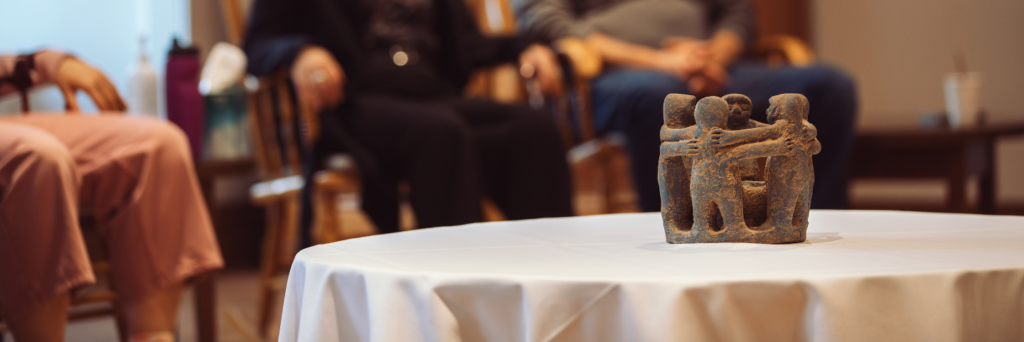
First, let’s demystify the concept of a social impact hotel. It is an establishment whose purpose goes beyond profit. Its business model is designed around the positive impact it can have on society.
Travelers, in turn, contribute to this mission through their stay. It’s a win-win situation: they enjoy the travel experience they are looking for while contributing to the well-being of the local community.
The missions of social impact hotels can take different forms:
- Welcoming guests in vulnerable or challenging situations
- Including employees with specific needs or those returning to the workforce
- Implementing environmentally responsible initiatives
- Reinvesting revenues into causes that benefit the local community
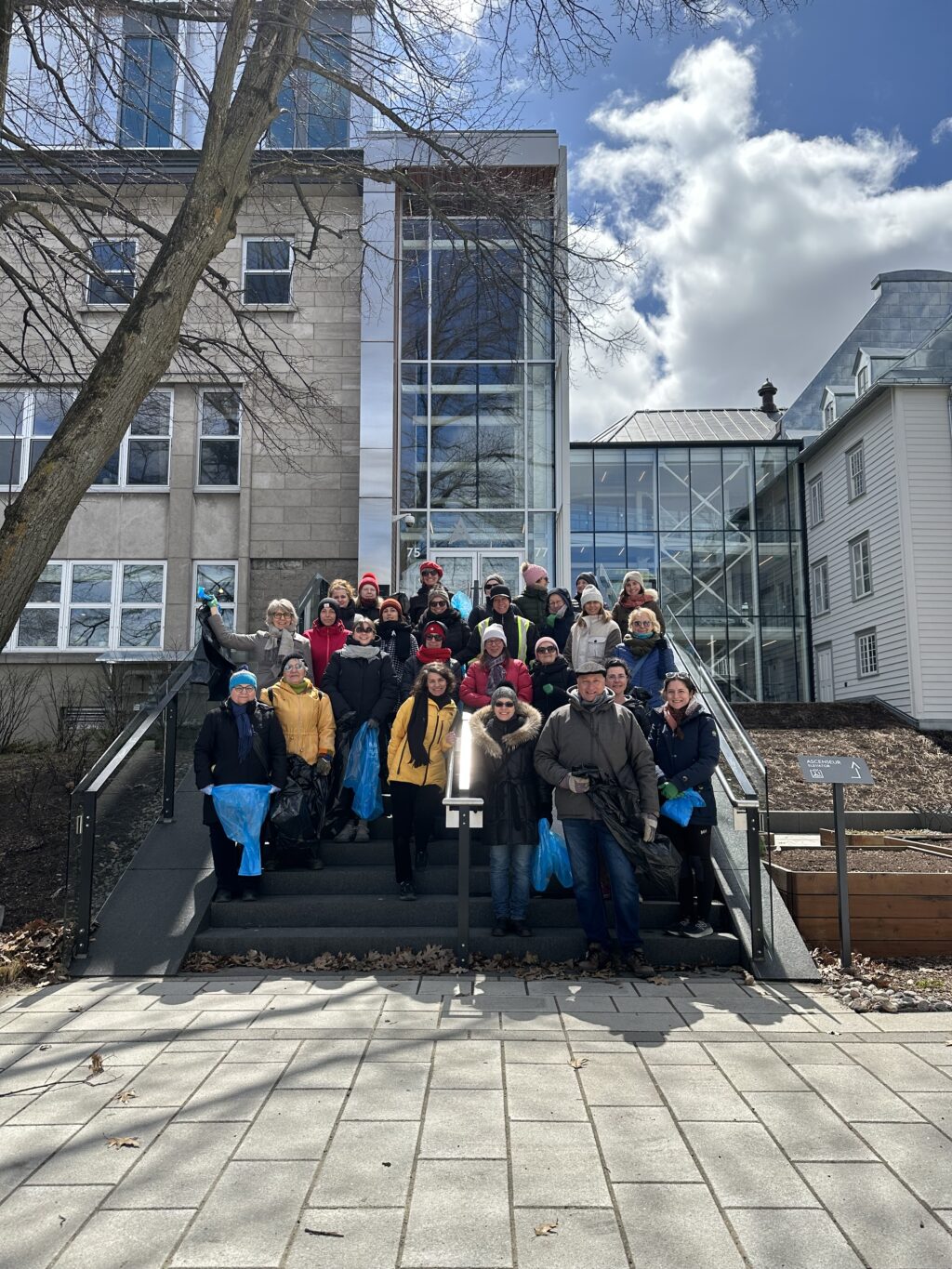
- Supporting a community cause through volunteer work by employees or guests
- Involving the team in a social innovation project
- Preserving heritage for future generations
While social impact hotels can help improve the well-being of people, communities and places, they are also part of the broader trend toward regenerative tourism, where travelers leave a destination in a better state than they initially found it.
Social Impact Hotels: Inspiring Examples Around the World
A quick online search reveals as many models of social impact hotels as there are destinations. Here are a few examples from outside the province of Québec.
At Fogo Island Inn, in the province of Newfoundland and Labrador, tourism has become a driver of local revitalization. Since opening in 2013, the establishment has reinvested its surplus into the community through the Shorefast Foundation, which supports initiatives related to fishing, artist residencies, crafts and heritage preservation. Its Economic Nutrition label also provides transparency on how the revenue generated by each stay is distributed.
In Cambodia, Sala Baï, a hotel school, serves as a powerful vehicle for social mobility by providing free training in hospitality and food service each year to 150 young people from disadvantaged backgrounds. Its employment placement rate is also remarkably high.
In South Africa, Hotel Verde Cape Town Airport has made sustainability a central part of its business model. Designed according to environmentally responsible principles, the hotel also encourages guests to adopt sustainable behaviours through Verdinos, an internal currency awarded as a reward for environmentally friendly actions.
Meanwhile, Hotels con Corazón, located in Nicaragua, Mexico and Costa Rica, reinvest approximately 75% of their profits in educational programs for young people in their communities. Every stay therefore contributes directly to funding local education initiatives.
Finally, Italy’s Albergo Diffuso model demonstrates how hospitality can also become a tool for territorial revitalization. Rather than constructing new buildings, this model transforms vacant homes in historic villages into a hotel spread across several locations, managed as a single establishment. This approach helps preserve built heritage, support the local economy and bring new life to rural communities affected by population decline.
Social Impact Hotels in Québec
Closer to home, Hôtel Manoir d’Youville has 115 rooms and a restaurant. Located in Châteauguay, this establishment demonstrates its social commitment through its business-school, which welcomes young people living with autism spectrum disorder or a mild intellectual disability. The program allows them to develop greater independence and acquire new skills. The hotel’s social commitment is also reflected in several concrete initiatives, including a vegetable garden, an annual $100,000 contribution to regional organizations, and activities open to all that promote holistic health.
Meanwhile, Saintlo Youth Hostels, found in Montréal, Ottawa, Gaspésie and the Bas-Saint-Laurent region, stand out when it comes to socially engaged tourism businesses. They are affiliated with the Saintlo Foundation, which funds school trips for young people facing difficulties or coming from disadvantaged backgrounds. The idea is based on the belief that the experiences we have today shape our potential, dreams and ambitions for tomorrow.
There are also the accommodation centres operated by the Fondation québécoise du cancer. These facilities provide affordable accommodation so that people undergoing radiation oncology treatments and their loved ones can stay close to the hospital. They can be found in Québec City, Montréal, Sherbrooke, Gatineau and Trois-Rivières. They offer a way to reduce stress and find comfort in a welcoming environment while going through this type of difficult experience.
Le Monastère des Augustines also offers a similar service through its hospital stays. These stays allow people who are ill and their companions travelling from elsewhere in the province of Québec to access affordable accommodation while receiving medical care in Québec City. This service is inspired by the fact that, for more than 40 years, the Augustinian Sisters, who were hospital nurses, welcomed companions of patients being treated at Hôtel-Dieu de Québec, the first hospital they founded (and also the first hospital in North America north of Mexico!).
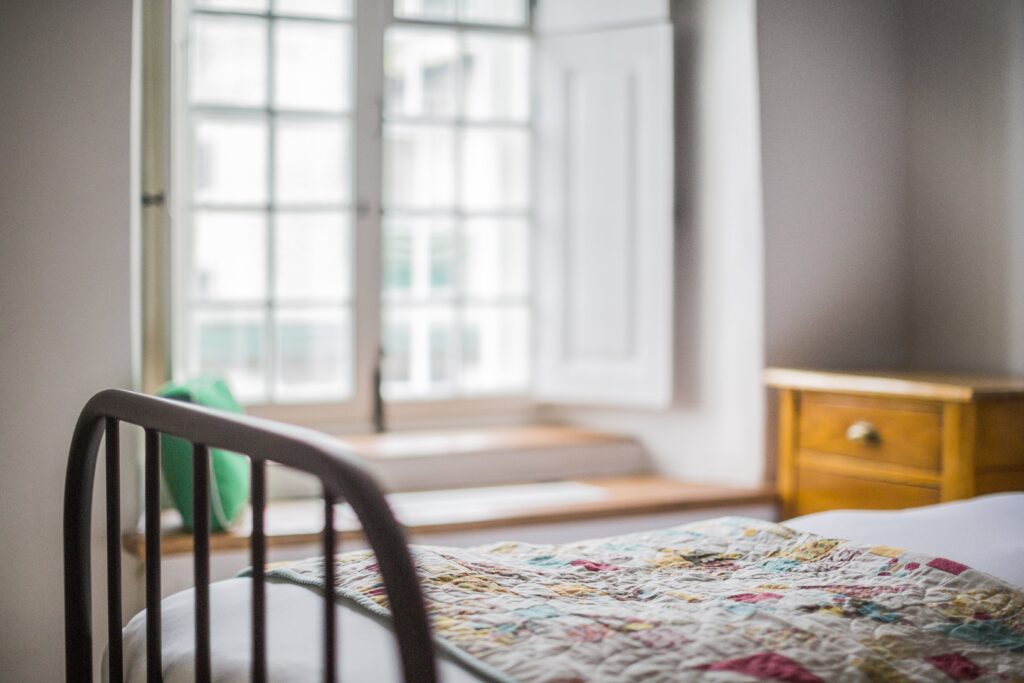
And What About Le Monastère des Augustines? Does It Have a Social Impact?
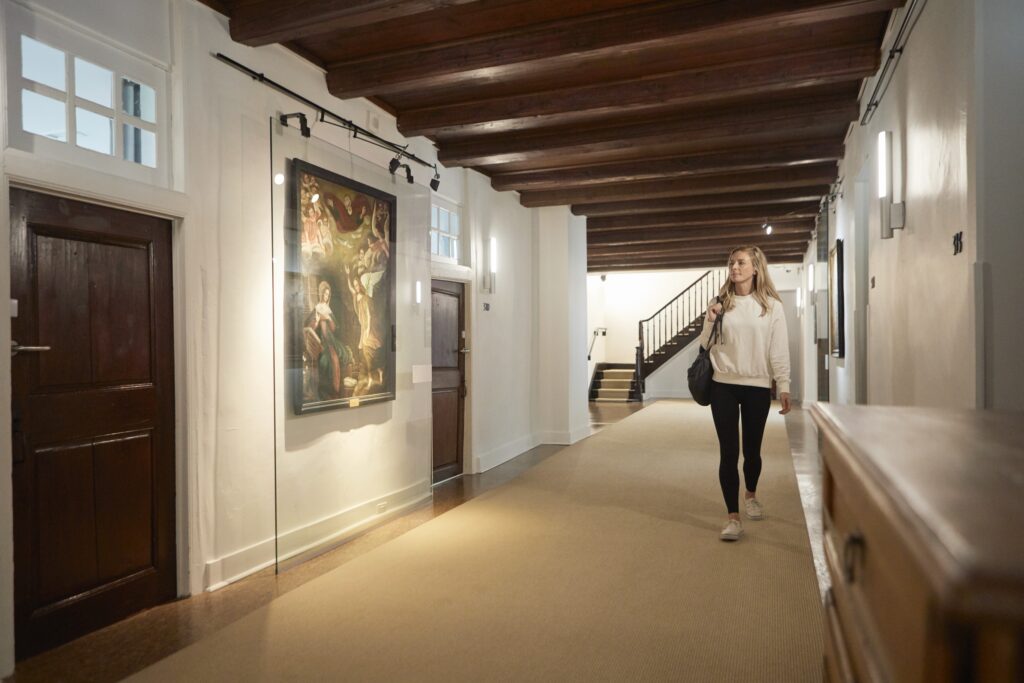
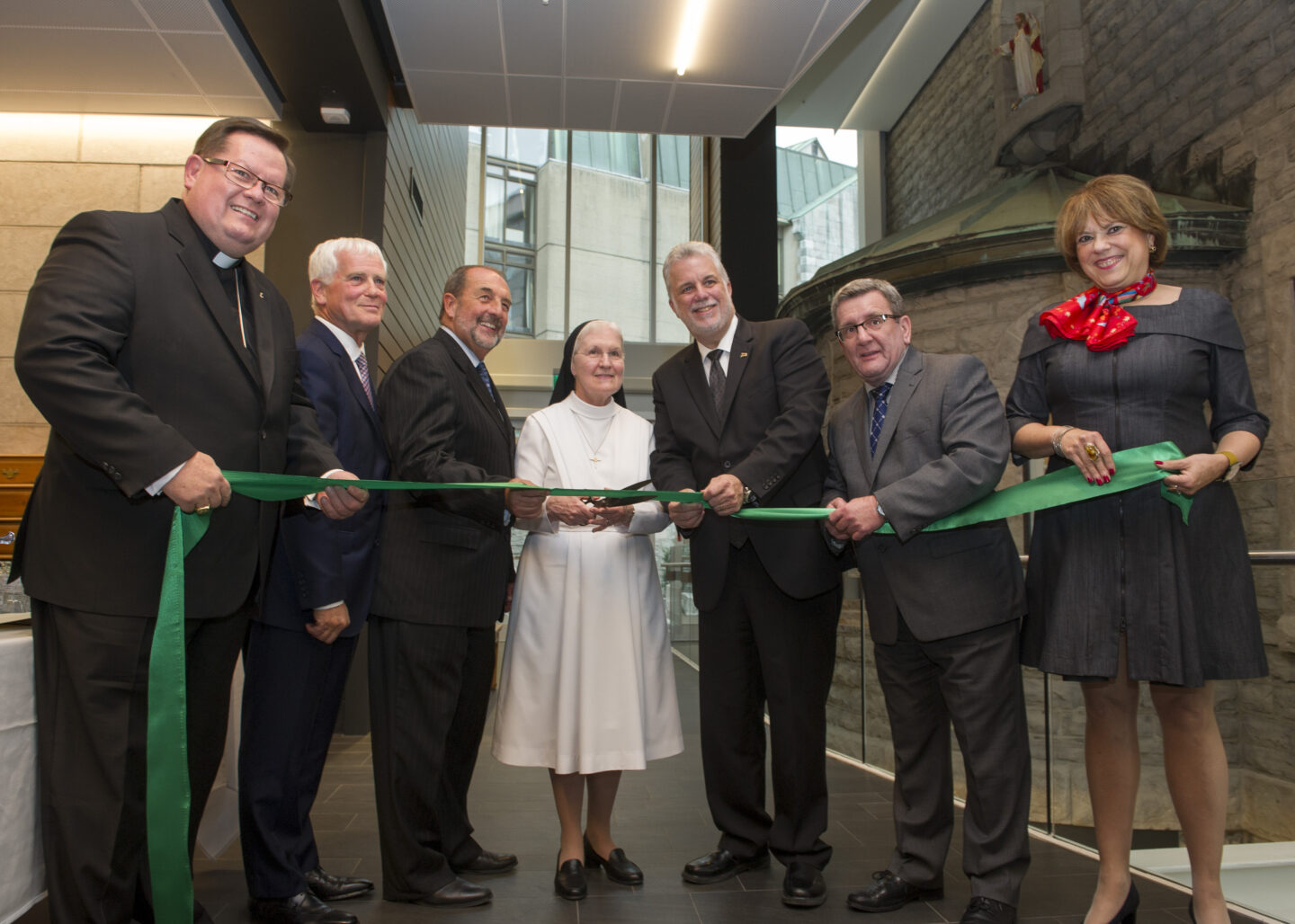
Yes! At Le Monastère des Augustines, social impact is an integral part of the business model. This model was envisioned by the Augustinian Sisters and their collaborators at the time they developed the concept of a living heritage site. Nearly 20 years of reflection went into transforming the former cloister into what it is today: a place offering visitors a unique experience of rest and relaxation, along with many original ways to connect with the heritage of the Augustinian Sisters.
Since opening to the public on August 1, 2015, Le Monastère des Augustines has reinvested its surplus into its twofold cultural and social mission.
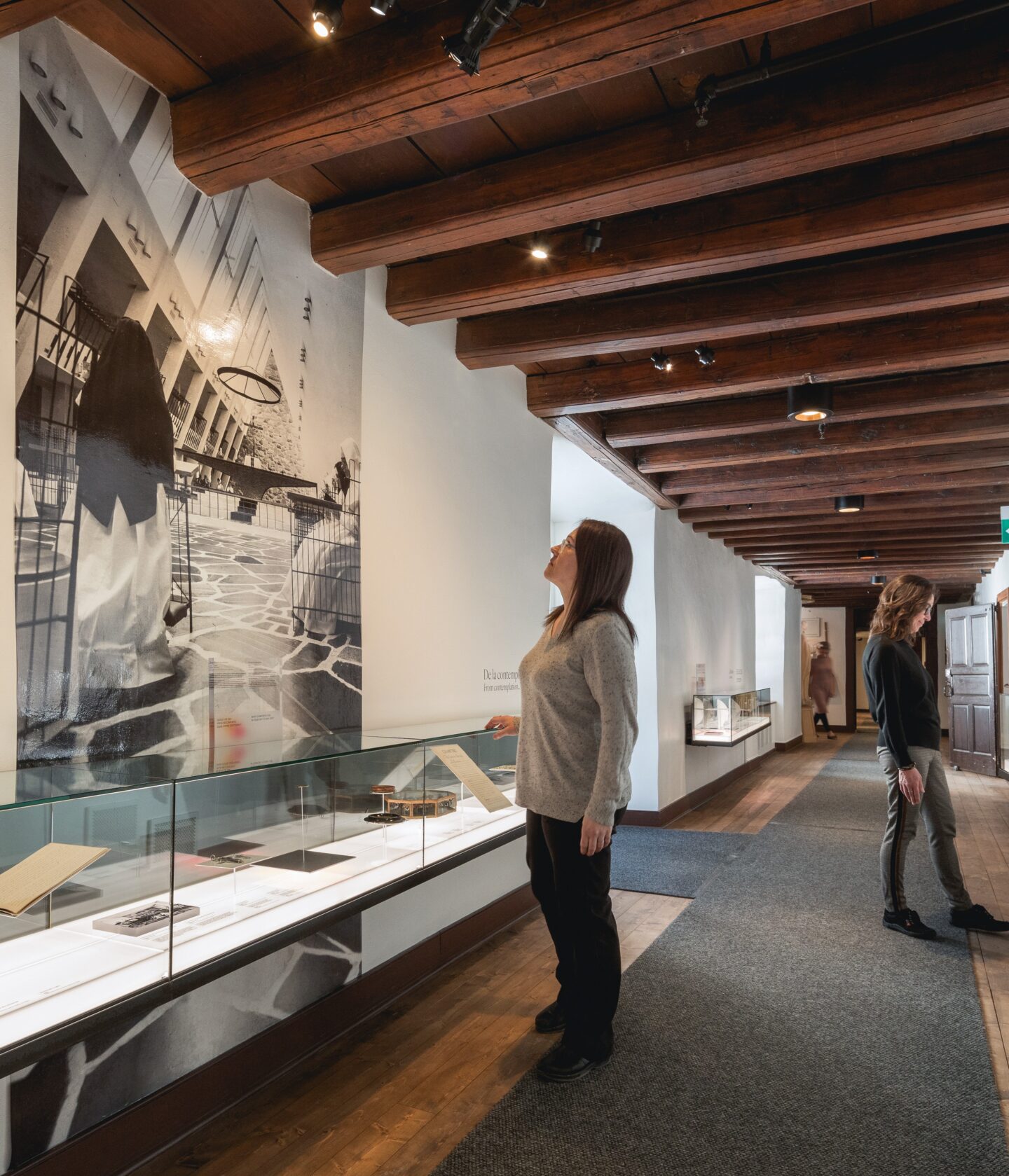
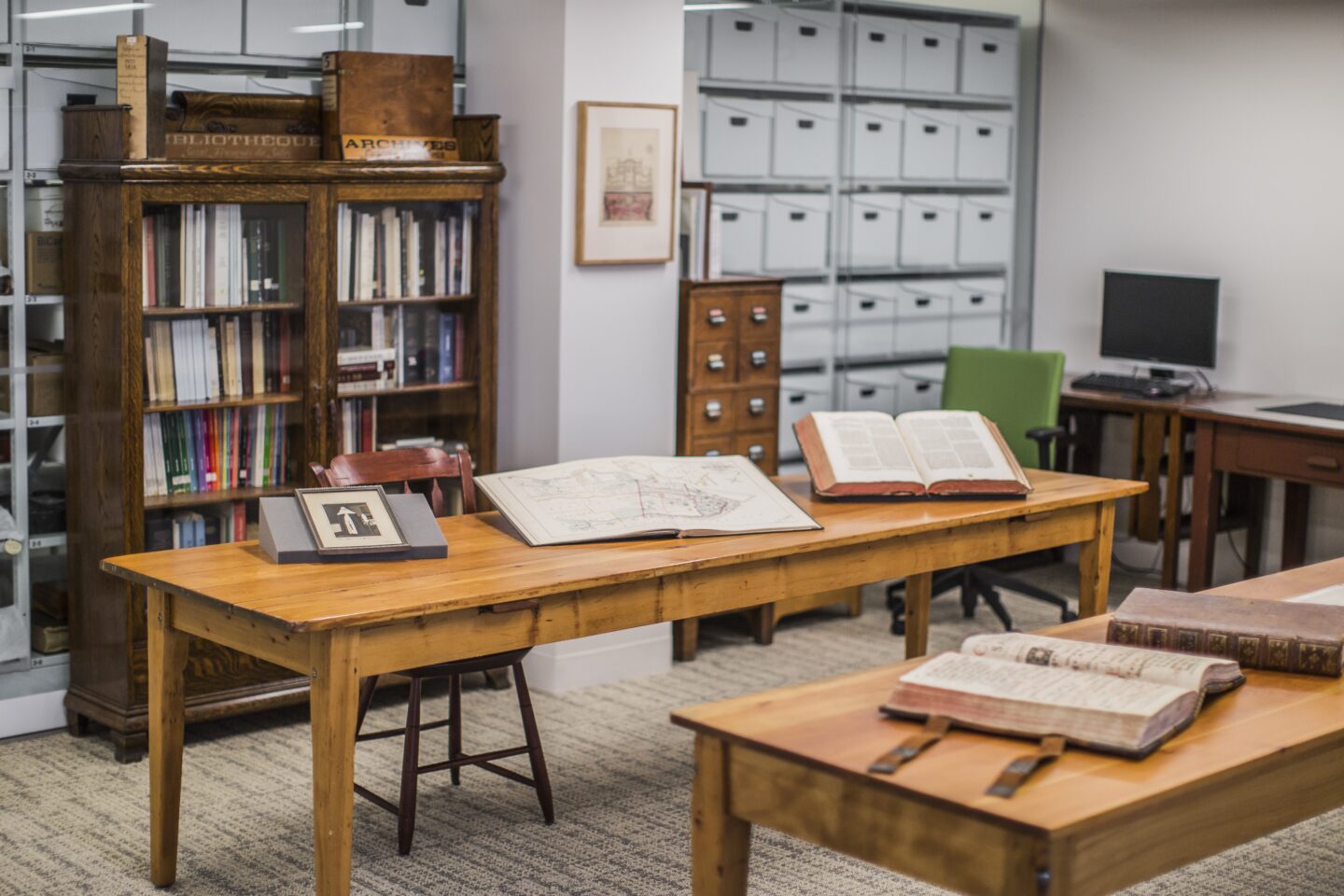
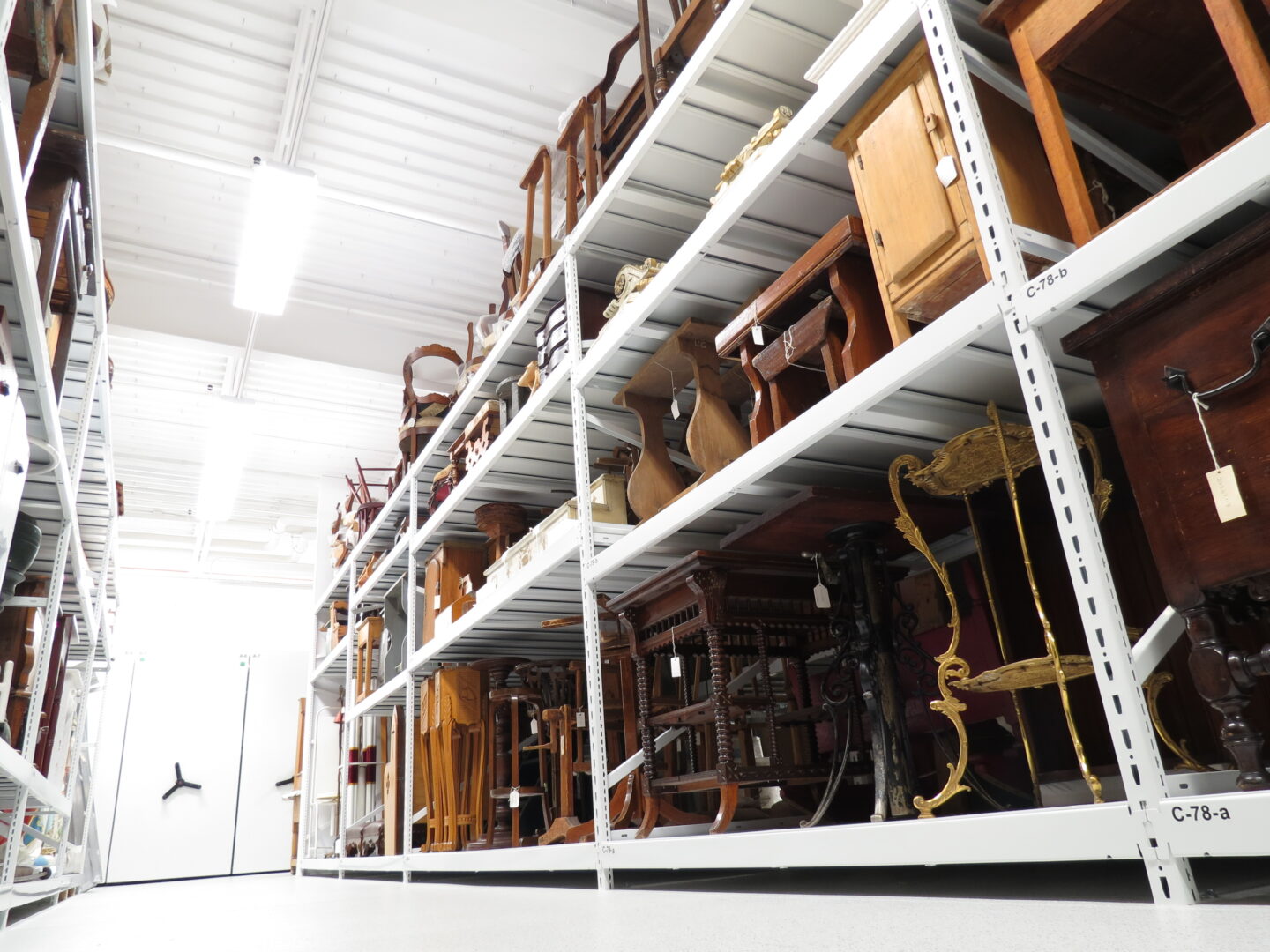
First, its cultural mission ensures the preservation and transmission of the Augustinian Sisters’ heritage to present and future generations through a wide range of services. Among them, Le Musée du Monastère des Augustines presents nearly four centuries of history through objects drawn from a collection of 60,000 artifacts, as well as photographs and rare books from the kilometre of archival documents preserved in the archives centre. A program of activities and retreats inspired by the history of the Augustinian Sisters complements the museum’s cultural offering.
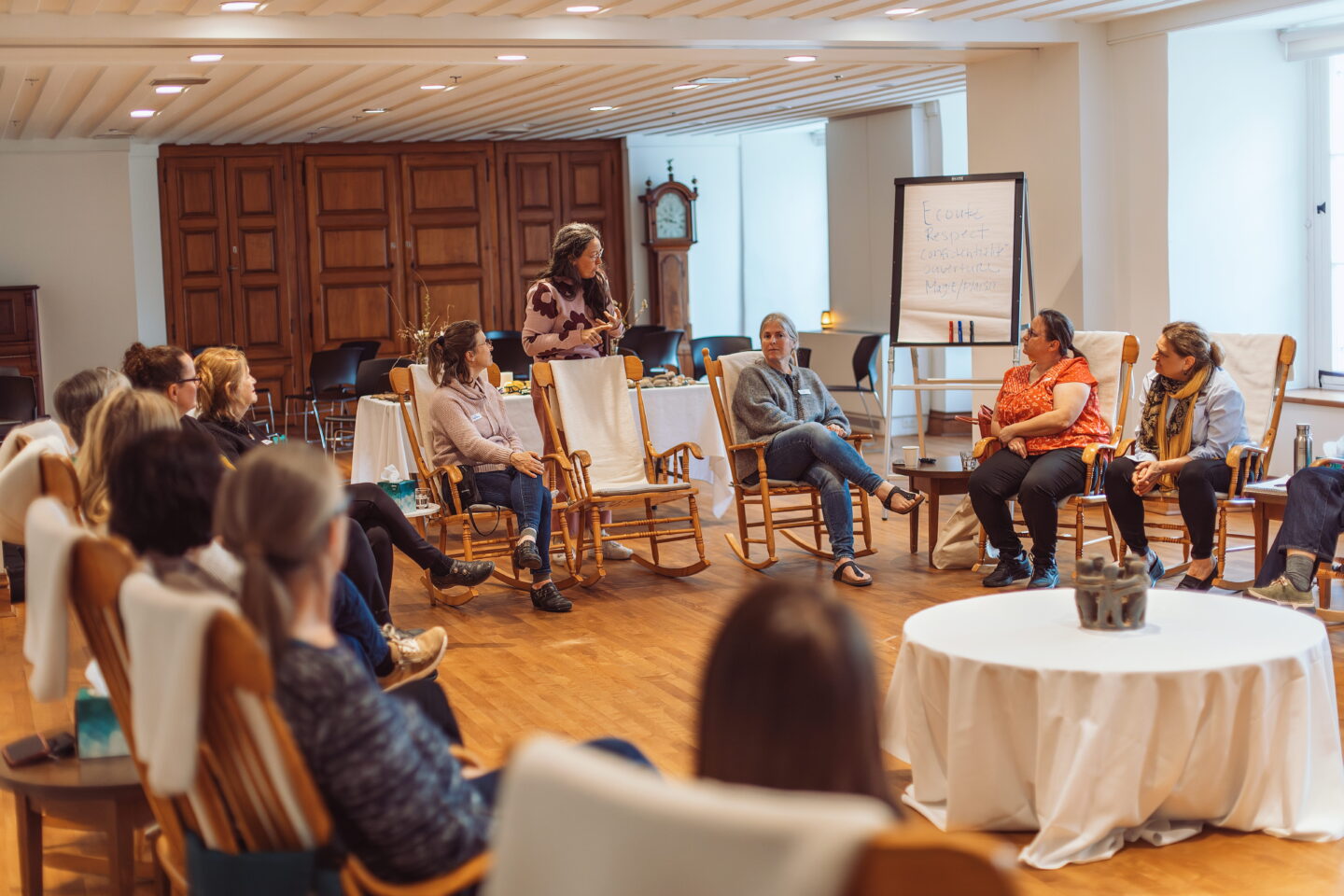
The social mission, meanwhile, provides subsidized access to those who care for others: caregivers, people accompanying a loved one receiving healthcare in Québec City, as well as healthcare and social services professionals and workers in the community sector. They can access Le Monastère’s respite services at a preferential rate, including solidarity stays, peer retreats, sharing communities, wellness days and more.
The Augustinian Sisters: An Inspiring Community
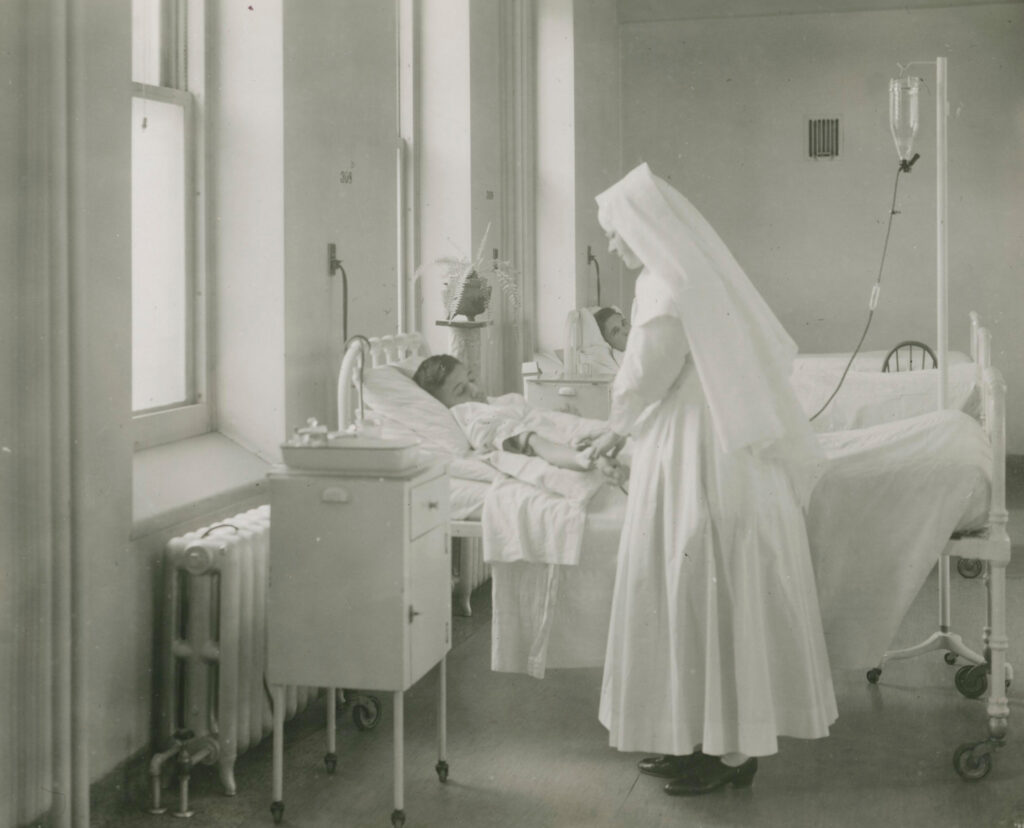
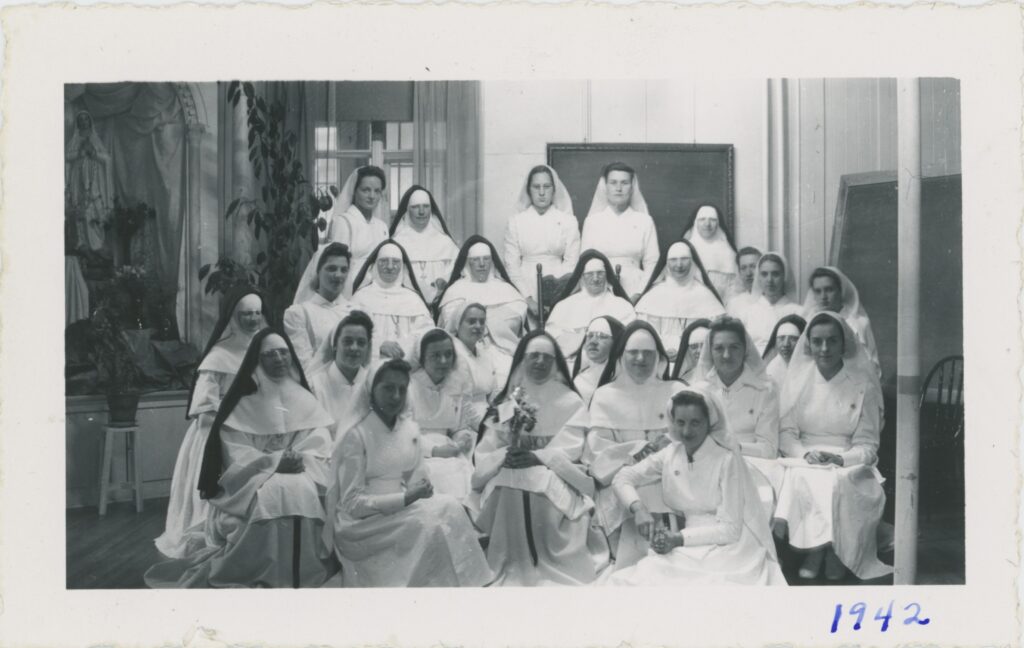
The Augustinian Sisters cared for the poor and the sick for nearly four centuries. Following their arrival in New France in 1639, they founded 12 monastery-hospitals that were integrated into Québec’s healthcare system in the 1960s.
A community in decline since the 1970s, the Augustinian Sisters chose to bequeath their heritage to the people of Québec through the creation of a living heritage site: Le Monastère des Augustines. It is located in the former monastery of Hôtel-Dieu de Québec. There are interesting parallels between the history of the Augustinian Sisters over the centuries in Québec and the choices made in developing the business model of Le Monastère des Augustines, a non-profit organization. Here are a few examples.
Respect for Others
The Augustinian Sisters
The Augustinian Sisters cared for everyone who came to them, regardless of their background or beliefs. These women lived according to their spiritual convictions: caring for others was at the heart of their community identity, alongside their faith.
At Le Monastère des Augustines
Le Monastère des Augustines is a place of renewal open to everyone, offering a non-denominational approach. Respect and non-judgment are an integral part of the experience. Everyone is free to explore their spirituality individually in an environment conducive to introspection.
Giving Back
The Augustinian Sisters
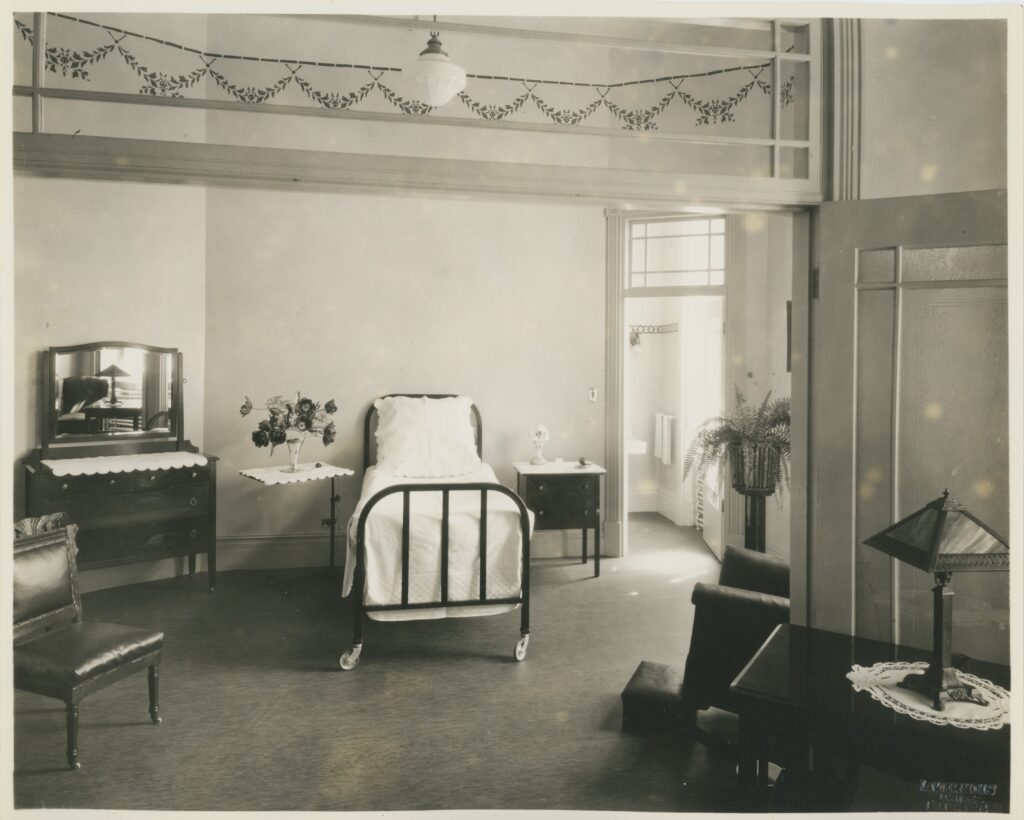
Since their arrival in this territory, the Augustinian Sisters provided care to people with limited means. Welcoming boarders, along with various ingenious fundraising initiatives, generated additional revenue that allowed them to provide care to the community.
At Le Monastère des Augustines
Accommodation services are the main source of revenue for Le Monastère des Augustines. They make it possible to offer respite programs for caregivers and healthcare workers, as well as for people who are ill and their companions receiving healthcare in Québec City.
Passing Knowledge On
The Augustinian Sisters
Preserving the heritage of the Augustinian Sisters has been part of their constitutions for hundreds of years. Their knowledge and know-how were passed down from older to younger members of the community. In addition, the sharing of healthcare knowledge began at the first nursing school at Hôtel-Dieu de Québec in 1904. This training was expanded in 1941 to welcome lay students at the nursing school of Hôtel-Dieu de Chicoutimi.
At Le Monastère des Augustines
Today, Le Monastère des Augustines continues this tradition of passing knowledge on through its museum vocation, by preserving and showcasing collections and archival documents, as well as through its program of activities. As long as Le Monastère des Augustines exists, this heritage will be preserved, studied and shared with the public.
Strong Values at the Heart of Everyday Life
The Augustinian Sisters
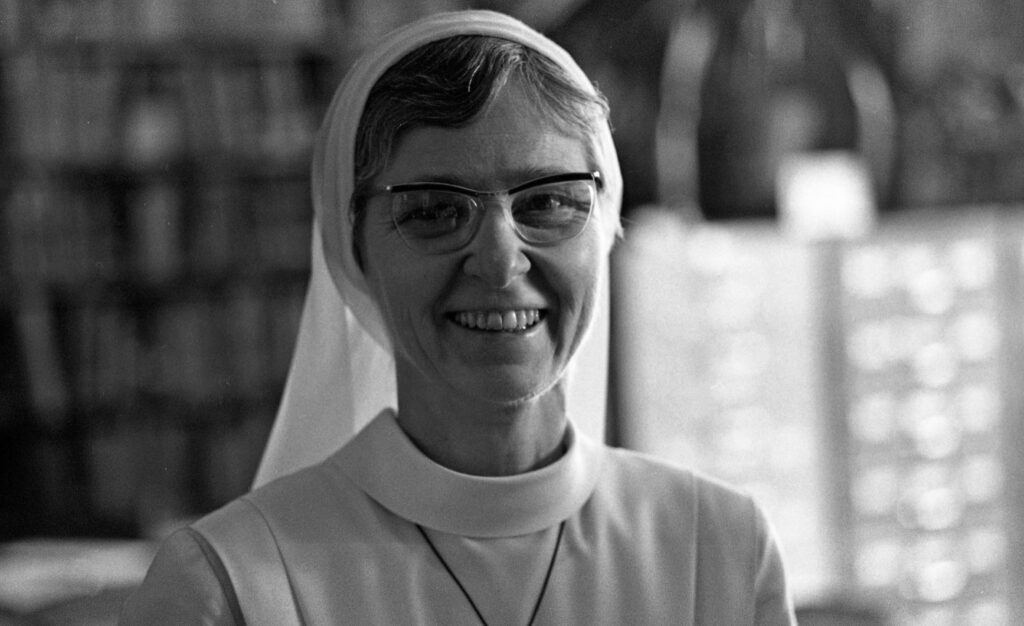
Welcoming others, hospitality, kindness and sharing are deeply rooted in the life of the Augustinian Sisters. The sisters gave generously to those who came to the hospital for care.
At Le Monastère des Augustines
These principles inspired the organizational values of Le Monastère des Augustines and are reflected both in its services and in the way its team welcomes guests. Le Monastère’s team places great importance on ensuring that visitors’ experiences are consistent with the organization’s values.
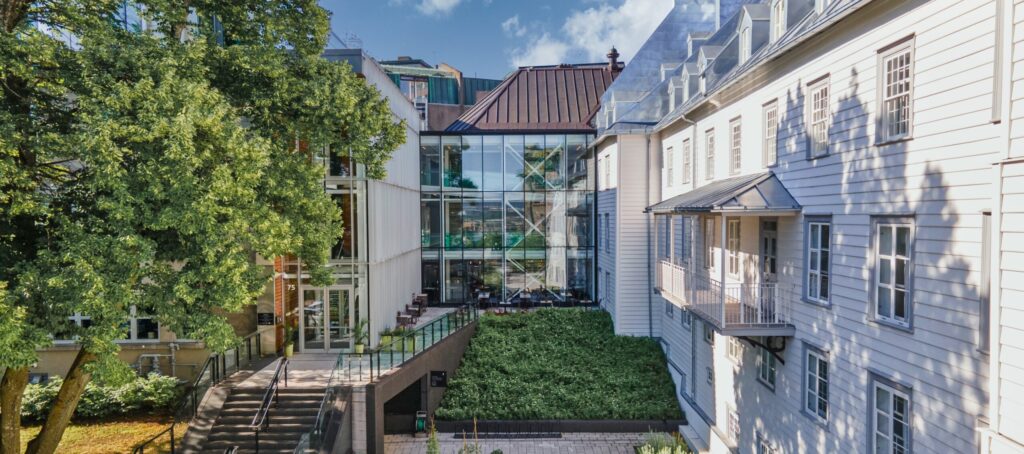
In short, by creating Le Monastère des Augustines, this visionary community of women drew inspiration from the past to create something decidedly contemporary, responding to the needs of modern society. They created an innovative model that many are now inspired by, placing the preservation of their legacy and collective well-being at the heart of every decision. It is difficult not to be moved by such generosity!
If you would like to support the mission of Le Monastère des Augustines financially, there are several ways to give.
You can make a donation to the Fiducie du patrimoine culturel des Augustines, a social-purpose trust whose beneficiary is the people of Québec and which is recognized as a charitable organization. As the owner of the Augustinian Sisters’ buildings, collections and archives, the Fiducie is responsible for preserving them while supporting fundraising, heritage development and philanthropic efforts that allow this mission to continue. This structure contributes to the long-term preservation of the Augustinian Sisters’ heritage and ensures that the legacy they entrusted to the community continues to inspire future generations.
You can also support Le Monastère des Augustines by staying there, participating in an activity, enjoying a meal or booking a massage. Rest assured that the surplus generated by Le Monastère’s commercial activities is reinvested in its social and cultural mission. And remember: by taking care of yourself, you become a better version of yourself for those around you and for society as a whole, contributing to both individual and collective well-being.
Social Impact Hotels: A Conscious Choice
Now that you know that choosing social impact hotels can make a meaningful difference to collective well-being, will you be more inclined to seek them out in the future? On your next travels, combine the useful with the enjoyable and make informed choices. It’s a meaningful way to bring greater purpose to your next stay away from home!